Basements often turn into damp, mould-prone spaces that can wreak havoc on your home’s structural integrity and your family’s health. Waterproofing your basement is not just a smart move; it’s essential to preserving your property and enhancing your living environment. If you’re a DIY enthusiast, finding the top DIY basement waterproofing products is key to tackling this challenge efficiently.
In this extensive guide, we’ll cover everything from the signs you need waterproofing, types of products available, to detailed reviews of the best solutions on the market. Let’s dive into the world of basement waterproofing with confidence and clarity.
Why Basement Waterproofing is Essential
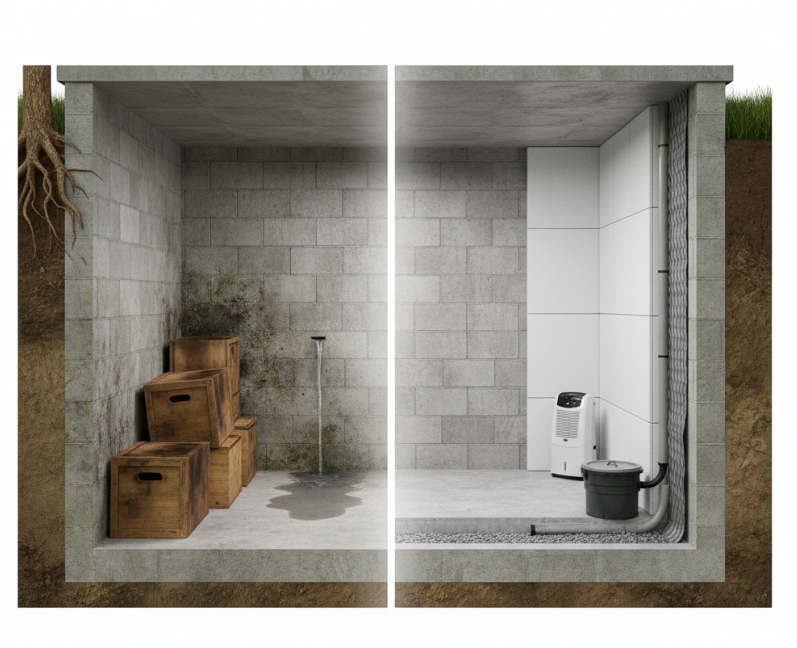
Water intrusion in basements is a common problem affecting millions of homeowners. Without proper waterproofing, you risk structural damage, mould growth, and increased maintenance costs. Waterproofing your basement helps:
- Prevent foundation damage caused by water seepage
- Eliminate mould and mildew growth, which pose health risks
- Protect your stored belongings from water damage
- Increase home resale value by maintaining structural integrity
A dry basement creates a healthier, more comfortable living environment and safeguards your investment for years to come.
Signs You Need Basement Waterproofing
Knowing when to waterproof is critical. Watch out for these common signs:
- Persistent dampness or wet spots on basement walls or floors
- Musty odours indicating mould or mildew
- Visible cracks in foundation walls or floors
- Water stains or efflorescence (white mineral deposits)
- Standing water or puddles after heavy rain
If any of these symptoms are present, it’s time to act. Addressing basement moisture early prevents costly repairs down the line.
Types of Basement Waterproofing Products
There is no one-size-fits-all solution for waterproofing. Depending on your basement’s specific issues, different products serve different purposes.
Sealants and Crack Fillers
Sealants are often the first line of defence, especially for small cracks or holes. These products penetrate cracks to block water entry and are easy for homeowners to apply.
Interior Drainage Systems
Interior drainage solutions redirect water that enters your basement to a sump pump or drainage system, preventing pooling inside.
Exterior Waterproofing Membranes
Applied on the outside foundation walls, these membranes create a barrier against water intrusion before it reaches your basement.
Criteria for Choosing the Best Waterproofing Products
Selecting the right product depends on factors such as:
- Type and severity of water problem: Minor cracks vs. major seepage
- Basement condition: Finished vs. unfinished
- Product durability and lifespan
- Ease of application for DIY users
- Cost-effectiveness
- Reviews and proven performance
Considering these will help you invest wisely in a product that offers reliable protection.
Top 12 DIY Basement Waterproofing Products Reviewed
Here’s a detailed look at some of the best waterproofing products tailored for DIY basement projects:
1. Drylok Extreme Masonry Waterproofer
- Features: Penetrates and seals masonry, resists hydrostatic pressure
- Pros: Easy to apply, long-lasting, mildew resistant
- Cons: Requires multiple coats for best results
2. Sani-Tred Basement Waterproofing Coating
- Features: Flexible, breathable, resists cracking and peeling
- Pros: Works on damp surfaces, paint-like application
- Cons: Longer drying time
3. Rust-Oleum LeakSeal Flexible Rubber Coating
- Features: Flexible rubber formula seals leaks and cracks
- Pros: Multi-surface use, water and weather resistant
- Cons: May require thick layers for heavy leaks
4. Xypex Concentrate Waterproofing Treatment
- Features: Crystalline waterproofing that reacts with concrete
- Pros: Permanent waterproofing, resists chemicals
- Cons: Professional mixing recommended
5. Aquaseal Water-Activated Polyurethane
- Features: Expanding grout for stopping active leaks
- Pros: Fast action on leaks, easy injection
- Cons: Limited to crack repairs only
6 to 12. Brief Summaries of Other Notable Products
- Thompson’s WaterSeal: Good for exterior surfaces
- Quikrete Hydraulic Water-Stop: Effective for structural cracks
- Zinsser Watertite: Mould and mildew-resistant paint
- Sika Concrete Fix: Crack repair with waterproofing
- GE Silicone Sealant: Flexible crack sealing
- Henry Waterproofing Membrane: External waterproof barrier
- Basement Systems Flex Seal: Versatile sealing product
Step-by-Step Guide to Applying DIY Basement Waterproofing Products
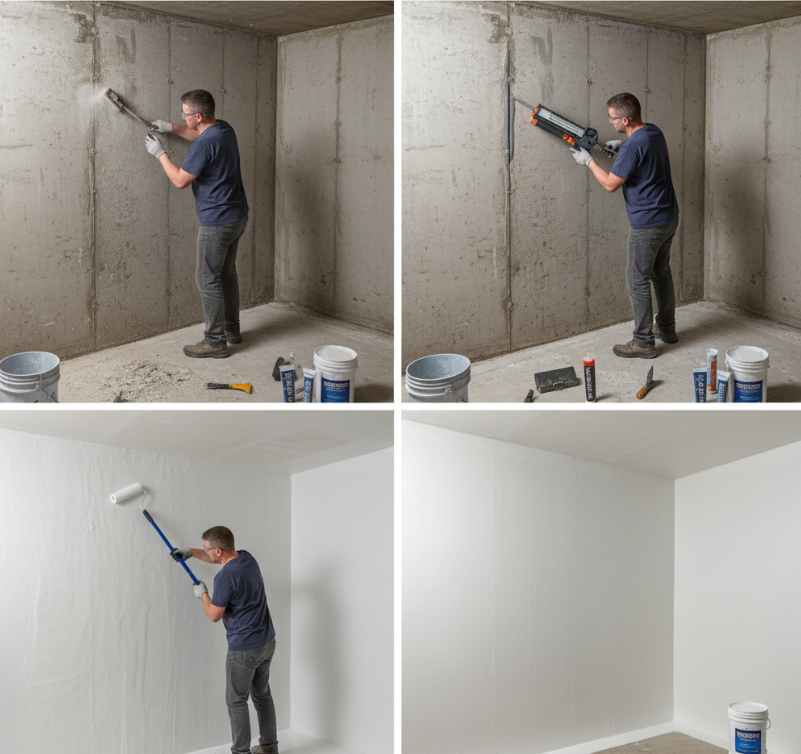
Applying waterproofing products correctly is as important as the product itself. Follow these tips:
- Clean and prepare surfaces thoroughly.
- Repair cracks with appropriate fillers before waterproofing.
- Apply primer or bonding agents if required.
- Use recommended coats and allow drying time between applications.
- Follow manufacturer’s instructions closely.
- Ensure proper ventilation during application.
Maintenance Tips to Keep Your Basement Dry
- Regularly inspect basement walls for new cracks or moisture.
- Keep gutters and downspouts clean to divert water away.
- Maintain sump pumps and drainage systems.
- Use dehumidifiers during humid seasons.
- Address leaks promptly.
Frequently Asked Questions (FAQs)
1. Can I waterproof my basement myself?
2. How long does basement waterproofing last?
3. What is the best time to waterproof a basement?
4. Will waterproofing fix mould problems?
5. Are exterior waterproofing membranes better than interior coatings?
6. How much does DIY waterproofing cost?
Conclusion: Making the Best Choice for Your Basement
Waterproofing your basement is an investment in your home’s future. Choosing the right DIY waterproofing products from trusted brands like Drylok, Sani-Tred, or Xypex can help you create a dry, healthy space. Follow application guidelines carefully and maintain your basement regularly for lasting results.