When it comes to protecting your home from water damage, the decision between a sump pump and a French drain can be daunting. Both systems serve the vital purpose of basement waterproofing, but each functions differently and suits different situations. Choosing between a sump pump and a French drain for waterproofing involves understanding how these systems work, their pros and cons, and which one aligns best with your property’s needs.
In this comprehensive guide, we’ll dive into the nuts and bolts of sump pumps and French drains, explore when to use each system, and help you make an informed choice. Along the way, we’ll share expert tips, maintenance advice, and answer common questions so you can keep your home dry and safe.
Understanding Basement Waterproofing: Why It Matters
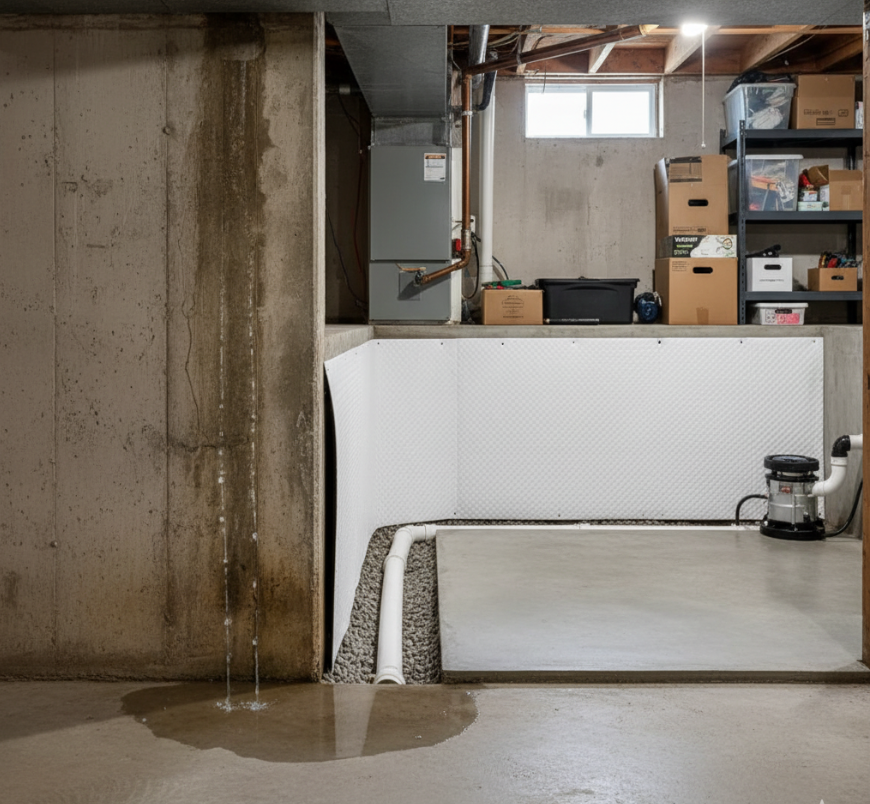
Water intrusion in basements can lead to costly repairs, mould growth, and even structural damage. Effective basement waterproofing is essential not just to protect your investment but also to maintain a healthy indoor environment.
There are many ways to waterproof a basement, but sump pumps and French drains are among the most popular solutions. Waterproofing systems work by diverting or removing water away from the foundation, preventing moisture from seeping in.
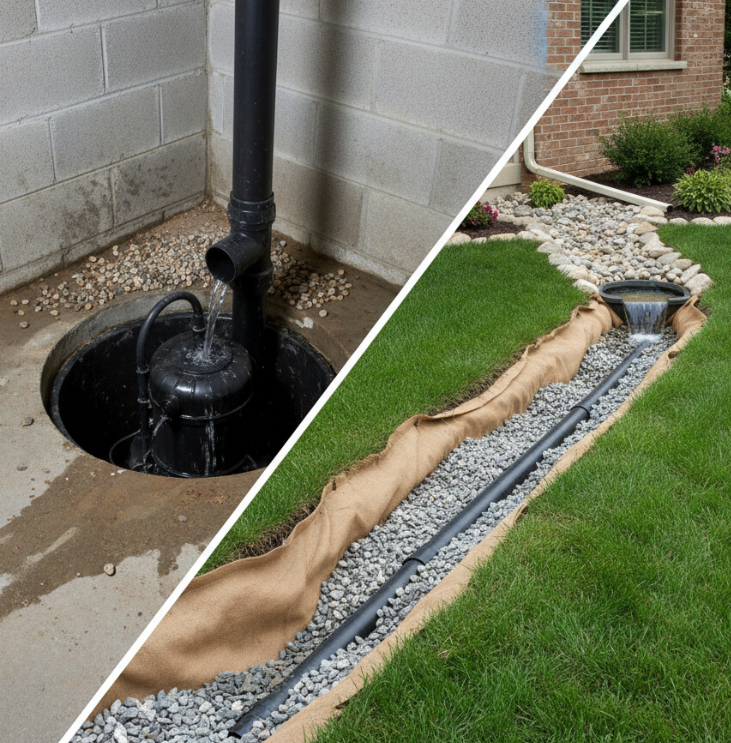
A sump pump is an active device that pumps water out of a sump basin installed below the basement floor. On the other hand, a French drain is a passive drainage system that directs water away from your foundation through gravel-filled trenches and perforated pipes.
Knowing the strengths and weaknesses of each method can help you decide the best waterproofing strategy tailored to your home’s soil conditions, climate, and water table level.
What Is a Sump Pump?
A sump pump is an electrical device designed to remove accumulated water from a sump basin, typically located in a basement or crawl space. Its primary job is to pump out excess groundwater before it can cause flooding or dampness.
Sump pumps activate automatically when water reaches a certain level inside the basin, then push the water through a discharge pipe leading away from the house. They are highly effective in areas with a high water table or poor drainage.
Types of Sump Pumps
- Pedestal Sump Pumps: These have a motor mounted above the sump basin, making them easier to service. They are generally less expensive but tend to be noisier and more exposed to damage.
- Submersible Sump Pumps: Installed inside the sump basin underwater, these pumps are quieter and less visible but can be more expensive and harder to maintain.
Both types are excellent options depending on your budget, basement setup, and preference for maintenance accessibility.
What Is a French Drain?
A French drain is a trench filled with gravel or rock containing a perforated pipe that redirects surface water and groundwater away from an area. It is named after Henry Flagg French, who popularised the technique in the 19th century.
French drains are installed around foundations, in yards, or along slopes to prevent water pooling and soil saturation. The gravel filters the water into the pipe, which then carries it away to a safe drainage area like a storm drain or a lower part of the yard.
Materials Used in French Drains
- Gravel or Crushed Stone: Provides a porous medium for water to flow freely.
- Perforated Pipe: Allows water to enter and travel through the drain system.
- Filter Fabric: Prevents soil and debris from clogging the pipe and gravel.
French drains are low-maintenance and work passively but rely on gravity, meaning proper grading is crucial for their effectiveness.
Key Differences Between Sump Pumps and French Drains
| Feature | Sump Pump | French Drain |
|---|---|---|
| Mechanism | Active pumping of water | Passive drainage by gravity |
| Installation | Requires sump basin and pump installation | Trenches filled with gravel and perforated pipe |
| Cost | Higher upfront and operational costs | Generally lower installation and maintenance cost |
| Effectiveness | Best in areas with high water tables or flooding risk | Best for surface water and slow groundwater drainage |
| Maintenance | Requires periodic checks and pump servicing | Minimal maintenance if properly installed |
| Aesthetic Impact | Minimal visible impact | Can be hidden under landscaping but involves trenching |
Cost Comparison
The cost of installing a sump pump typically ranges between $1,000 and $3,000, including the basin, pump, and discharge piping. Submersible pumps tend to be more expensive than pedestal models. Maintenance costs include occasional replacement and power consumption.
French drains usually cost between $1,000 and $2,500, depending on trench length, soil conditions, and landscaping. Since French drains require no electricity and minimal maintenance, their long-term cost can be lower than sump pumps.
Effectiveness in Different Soil Types and Climates
Sump pumps excel in clay-heavy soils and areas prone to flooding, where groundwater accumulates rapidly. They actively remove water that French drains might struggle to handle due to poor soil permeability.
French drains are effective in sandy or loamy soils where water percolates easily. They work well in moderate rainfall climates by managing surface runoff and slowly draining groundwater.
When to Choose a Sump Pump Over a French Drain
- Your basement has frequent or severe flooding issues.
- The water table is consistently high, and water accumulates quickly.
- You require an active system that works regardless of slope or soil permeability.
- You want to protect a finished basement where any moisture is unacceptable.
When to Choose a French Drain Over a Sump Pump
- Your property experiences slow surface water drainage or pooling.
- The soil is well-draining, and the yard can be regraded.
- You prefer a low-maintenance, passive solution.
- You want to avoid electricity costs or mechanical failure risks.
Installation Process: Step-by-Step Guide for Both Systems
Installing a Sump Pump
- Select Location: Usually in the basement’s lowest point.
- Dig the Basin: Excavation of a pit to house the sump basin.
- Place the Basin and Pump: Secure the basin and install the pump.
- Install Discharge Pipe: Route pipe outside the foundation.
- Test the System: Ensure the pump activates and drains properly.
Installing a French Drain
- Plan the Layout: Identify low points and drainage paths.
- Dig Trenches: Typically 6-12 inches wide and 18-24 inches deep.
- Lay Filter Fabric: Prevents soil intrusion.
- Add Gravel and Pipe: Place perforated pipe and cover with gravel.
- Cover and Grade: Backfill and restore landscaping, ensuring proper slope.
Maintenance Tips for Sump Pumps and French Drains
- Sump Pump: Test regularly, clean the basin, check the discharge line, and replace batteries on backup pumps.
- French Drain: Inspect the surface for pooling, clear debris from inlets, and check for clogged pipes if drainage slows.
Common Problems and Troubleshooting
- Sump Pump: Pump failure, power outages, clogged intake.
- French Drain: Clogged gravel or pipe, improper slope, root intrusion.
Environmental and Aesthetic Considerations
French drains blend into landscaping better but require trenching. Sump pumps have less yard impact but involve visible discharge piping. Both systems help prevent erosion and water damage to landscaping.
Cost-Benefit Analysis: Which System Offers Better Value?
While sump pumps have higher initial and operational costs, they provide active water removal essential for high-risk basements. French drains offer low maintenance and work well in appropriate soil conditions. The best value depends on your specific situation, budget, and long-term waterproofing needs.
FAQs: Your Waterproofing Questions Answered
1. Can I install a sump pump myself?
2. How long does a French drain last?
3. Do sump pumps require electricity?
4. Can I combine a sump pump and French drain?
5. How often should I test my sump pump?
6. Will a French drain fix all basement water problems?
Conclusion: Making the Best Waterproofing Decision
Choosing between a sump pump and a French drain for waterproofing is a critical decision for protecting your home. Understanding the differences, costs, maintenance, and environmental factors can guide you toward the right solution. Whether you opt for the active power of a sump pump or the passive reliability of a French drain, investing in quality waterproofing safeguards your basement and peace of mind.