Basements are notorious for being susceptible to moisture problems, from mild dampness to serious flooding. This is why choosing the best basement waterproofing paint is crucial for protecting your home’s foundation and maintaining a healthy indoor environment. Moisture in basements can cause mould growth, structural damage, and unpleasant odours that affect the entire household.
Waterproofing paints are specially formulated coatings that create a moisture-resistant barrier on basement walls and floors. They are designed to seal pores and cracks, preventing water from seeping through concrete or masonry. But not all waterproofing paints are created equal. Understanding what makes an effective basement waterproofing paint will help you make an informed choice.
In this guide, we will review the best basement waterproofing paints on the market, explain their key features, and provide detailed advice on application and maintenance. Whether you’re dealing with minor damp spots or persistent leaks, you’ll find solutions tailored to your needs.
Key Features to Look For in Basement Waterproofing Paints
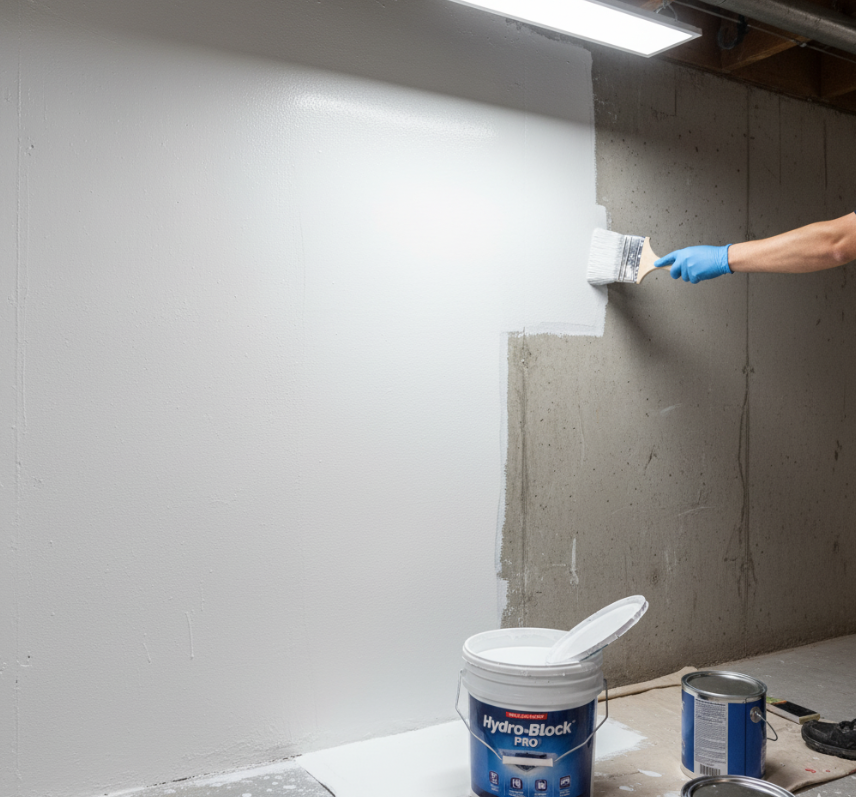
When choosing basement waterproofing paint, it’s essential to consider several critical factors. These features not only determine the product’s effectiveness but also impact ease of use and long-term performance.
Water Resistance
The primary function of basement waterproofing paint is to resist water infiltration. Look for products that offer a high level of water resistance, often measured by their ability to withstand hydrostatic pressure—the pressure water exerts on basement walls. Paints that can hold up under pressure are more likely to keep your basement dry, even during heavy rains or flooding.
Durability and Longevity
A waterproofing paint should last several years without needing frequent reapplication. Durability depends on the paint’s chemical formulation and its resistance to peeling, cracking, and blistering. Some paints also resist mould and mildew growth, which can degrade the coating over time.
Ease of Application
For many homeowners, the ease of application is a deciding factor. Some paints require multiple coats, special primers, or professional equipment. Others are designed for straightforward DIY application with a roller or brush. Consider your skill level and the time you can invest before picking a product.
Environmental and Safety Considerations
Water-based paints tend to be less toxic and have lower VOC (volatile organic compound) levels, making them safer for indoor use and the environment. However, some oil-based products may offer stronger protection but require better ventilation during application. Always check the safety guidelines and environmental impact of your chosen paint.
Top 10 Best Basement Waterproofing Paints Reviewed
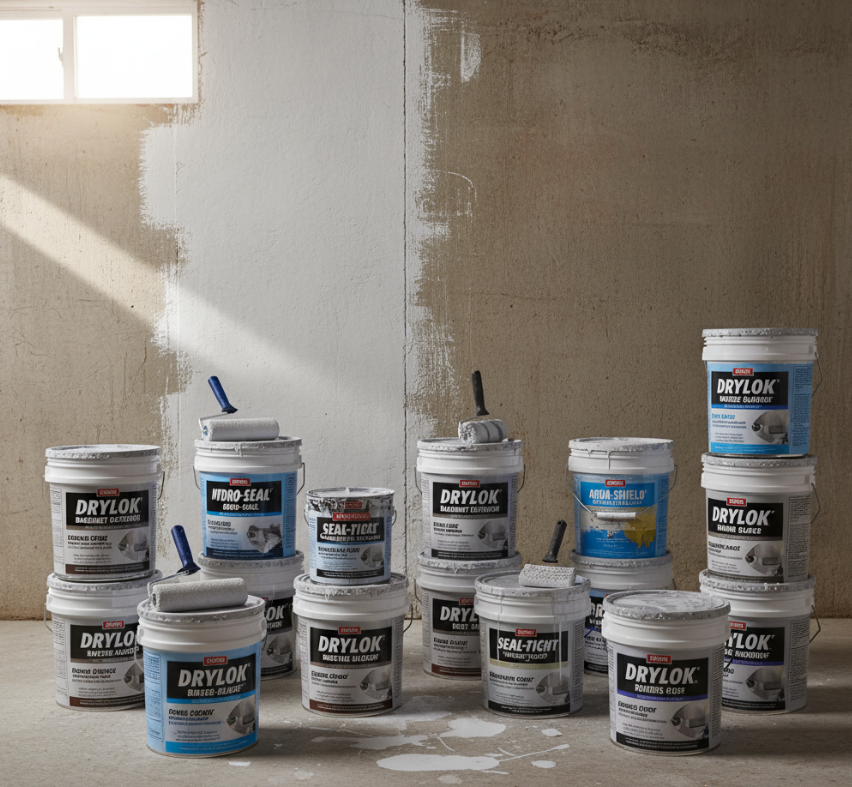
Below is a detailed review of the top 10 basement waterproofing paints available, highlighting what makes each product stand out.
| Product Name | Best For | Key Features | Price Range |
|---|---|---|---|
| Drylok Extreme | Best Overall | Mould & mildew resistant, waterproof | $$ |
| Rust-Oleum Watertite | Best Budget Option | Affordable, mildew-resistant, washable finish | $ |
| KILZ Basement & Masonry | Severe Dampness | Thick coating, excellent adhesion, mildew-resistant | $$ |
| Zinsser Watertite | Mold Resistance | Strong primer prevents peeling | $$ |
| BEHR Premium Basement & Masonry | Easy Application | One-coat coverage, water and mildew resistant | $$ |
| Eco Advance Waterproofing Paint | Eco-Friendly Option | Low VOC, water-based, safe for indoor use | $$$ |
| Foundation Armor SX5000 | Basement Floors | Durable, flexible, waterproof coating | $$$ |
| Loxon Concrete & Masonry Primer | Walls & Ceilings | Foundation Armour SX5000 | $ |
| Quikrete Waterproofing Sealer | Cracks & Leaks | Penetrates cracks, prevents water seepage | $$ |
| Sani-Tred | Professional Grade | Industrial strength, long-lasting | $$$ |
How to Apply Basement Waterproofing Paint Correctly
Proper application of basement waterproofing paint ensures optimal protection and longevity.
Preparing the Surface
Start by cleaning the basement walls or floors thoroughly. Remove any dirt, grease, efflorescence, or existing loose paint. Use a wire brush or pressure washer if needed. Repair cracks or holes with a masonry patch or hydraulic cement. The surface should be completely dry before painting.
Application Techniques
Use a high-quality roller or brush designed for masonry. Some products may require a primer coat; always follow the manufacturer’s instructions. Apply the paint evenly, covering all cracks and porous areas. Typically, two coats are recommended for maximum waterproofing.
Drying and Curing Times
Allow adequate drying time between coats, usually 4 to 6 hours, but this can vary by product. Full curing might take up to 72 hours. Avoid exposure to moisture during this period to ensure the paint forms a proper seal.
Common Mistakes to Avoid When Waterproofing Your Basement
- Skipping Surface Preparation: Dirt and loose materials prevent proper adhesion.
- Applying Paint to Wet Surfaces: Moisture traps beneath the paint lead to peeling.
- Using Inappropriate Paint: Not all paints are designed for basement waterproofing.
- Ignoring Cracks: Small leaks can worsen if not sealed properly.
- Neglecting Safety: Use masks and ventilate well when applying solvent-based paints.
Maintenance Tips to Prolong Waterproofing Effectiveness
- Inspect your basement regularly for signs of moisture or paint deterioration.
- Clean surfaces gently to avoid damaging the waterproof coating.
- Address plumbing leaks and drainage issues promptly.
- Reapply waterproofing paint every few years or as recommended.
- Use a dehumidifier to control indoor humidity.
Frequently Asked Questions (FAQs)
What causes basement water problems?
How long does basement waterproofing paint last?
Can I apply waterproofing paint myself or hire a professional?
Is basement waterproofing paint safe for indoor use?
How often should I reapply waterproofing paint?
Will waterproofing paint prevent mould growth?
Selecting the best basement waterproofing paint means balancing water resistance, durability, ease of use, and safety. Whether you choose a budget-friendly product or a professional-grade paint, proper surface preparation and application are key to keeping your basement dry for years to come. Investing time and effort upfront will save you from costly repairs and health problems linked to moisture damage.