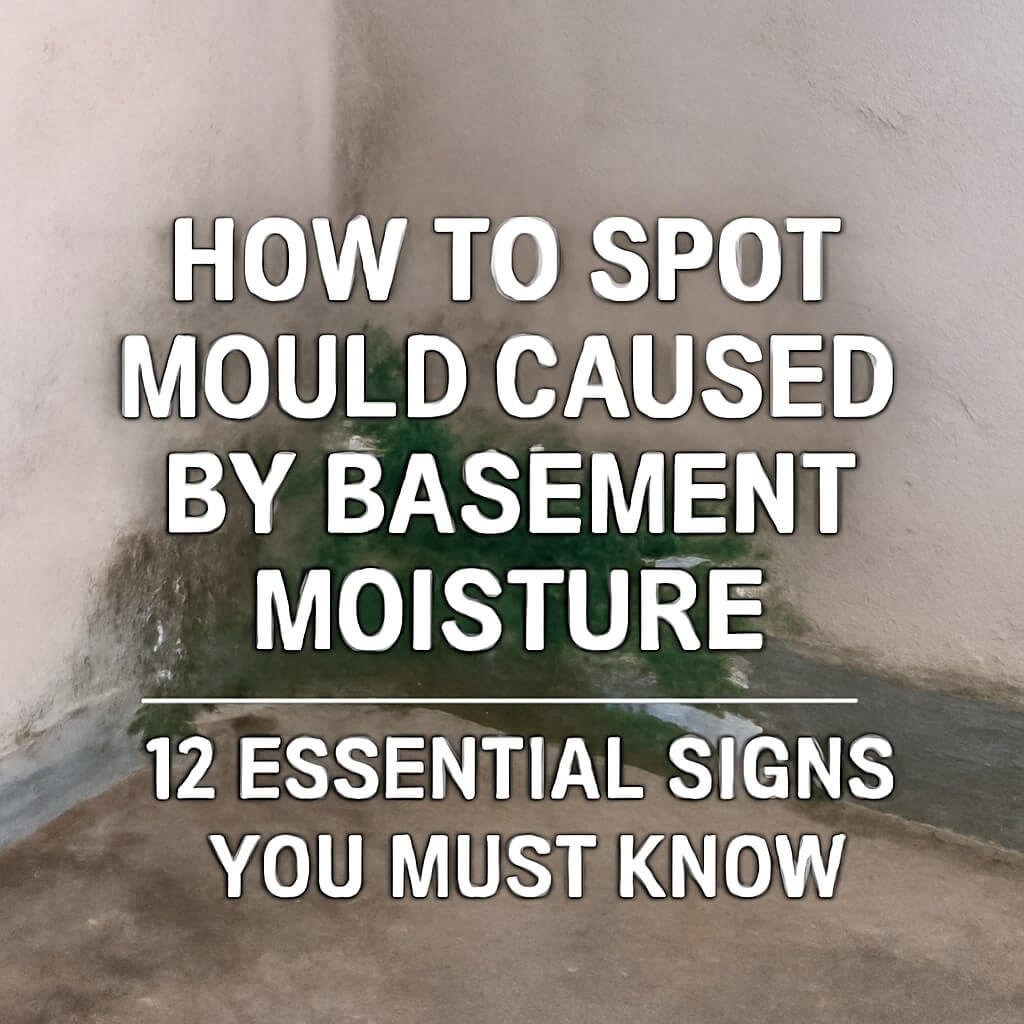
When it comes to protecting your basement from moisture, mould, and structural damage, two popular options stand out: basement paint and sealant. Both promise to shield your below-ground spaces, but which works better? This guide dives deep into the differences, benefits, and drawbacks of each, helping you make an informed decision. Understanding the nuances of basement paint compared to sealant is essential for maintaining a dry, safe, and attractive basement environment.
Understanding Basement Paint: Types and Uses
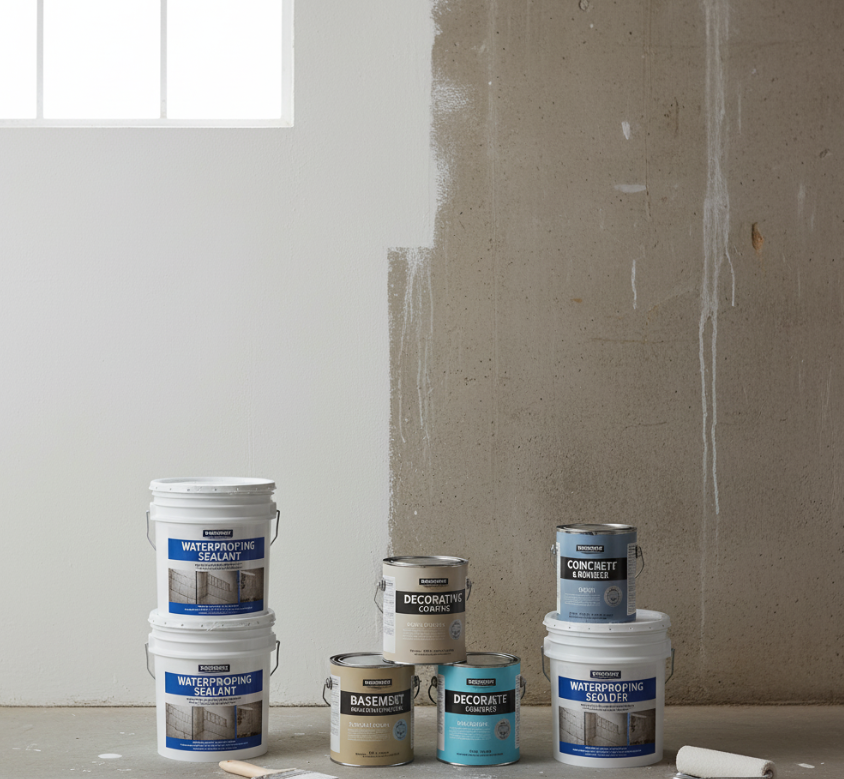
Basement paint is more than just a coat of colour—it’s specially formulated to resist moisture, mildew, and stains typical in below-grade environments. There are different kinds of basement paints, each tailored for specific needs.
Latex-Based Basement Paint
Latex paints are water-based, easy to apply, and often used for their mildew-resistant properties. They’re great for finished basements where moderate moisture control is sufficient. Latex paint dries quickly and offers a smooth finish, but is less effective against heavy water intrusion.
Epoxy and Polyurethane Paints
Epoxy and polyurethane paints are more durable and provide a tougher barrier against water and chemicals. Often used in garages and utility rooms, they bond tightly to concrete surfaces and resist abrasion, making them ideal where floors need protection from moisture and heavy use.
What is a Basement Sealant?
Sealants are materials designed primarily to fill cracks and gaps, creating a waterproof barrier. Unlike paint, which coats a surface, sealants penetrate or form a flexible layer that can adapt to structural movement.
Silicone and Polyurethane Sealants
Silicone and polyurethane sealants are flexible and waterproof, excellent for sealing joints, cracks, and expansion gaps in basement walls and floors. Their elasticity helps prevent water seepage through structural shifts.
Cementitious Sealants
These sealants are cement-based mixtures that bond strongly with concrete and masonry. They’re often used for patching cracks and creating a water-resistant barrier, particularly in foundations and concrete floors.
Comparing Waterproofing Effectiveness
When it comes to keeping moisture out, sealants generally provide a more robust waterproof barrier than paint. Paint can resist moisture penetration, but it isn’t designed to fill or flex with cracks where water often enters. Sealants, especially flexible types, excel in waterproofing and crack-filling, making them preferable for problem areas prone to leaks.
Durability and Longevity: Which Lasts Longer?
Sealants typically outlast paint in harsh basement environments. Paints may peel or blister over time due to moisture and temperature fluctuations, requiring reapplication every few years. Quality sealants maintain flexibility and adhesion longer, offering years of reliable protection with less maintenance.
Ease of Application: Paint or Sealant?
Applying basement paint is generally easier and less time-consuming, often be done by homeowners with minimal prep work. Sealants, however, require thorough cleaning, crack preparation, and sometimes professional expertise to ensure proper adhesion and performance.
Cost Analysis: Budgeting for Basement Paint and Sealant
Paints tend to be less expensive upfront, with prices varying based on type and brand. Sealants can be pricier, especially those with advanced waterproofing properties. However, considering longevity and effectiveness, sealants may offer better long-term value by preventing costly water damage repairs.
Environmental Impact and Safety Considerations
Many modern basement paints are low-VOC and eco-friendly, making them safer for indoor use. Sealants, depending on the chemical makeup, may emit stronger odours or require ventilation during application. It’s crucial to choose products that balance performance with environmental and health safety.
Aesthetic and Finishing Differences
Basement paint provides a wider variety of colours and finishes, enhancing the basement’s look and feel. Sealants are usually clear or come in limited shades, focusing more on function than appearance.
Common Basement Problems Addressed by Paint and Sealants
- Mould and Mildew: Paints with mildew resistance help prevent growth on surfaces.
- Efflorescence: Sealants can block salt deposits caused by moisture migration.
- Cracks and Leaks: Sealants effectively fill and waterproof cracks, whereas paint only coats over them.
Real-World Use Cases and Testimonials
Many homeowners report using a combination: paint for aesthetics and mildew control, and sealant for structural waterproofing. Case studies show better results when both are used strategically.
Tips for Choosing Between Basement Paint and Sealant
- Assess the basement’s moisture problem severity.
- Identify cracks or structural gaps needing sealing.
- Consider the desired appearance and budget.
- Evaluate whether a DIY or professional application suits you.
Frequently Asked Questions (FAQs)
1. Can I use basement paint over a sealant?
2. How often should I reapply basement paint or sealant?
3. Is sealant safe for indoor use?
4. Will basement paint stop water leaks?
5. Can I apply sealant myself?
6. What’s the best way to prep basement walls before applying paint or sealant?
Conclusion: Which is Better for Your Basement?
In summary, basement paint offers an attractive, mildew-resistant finish ideal for mild moisture issues and finished spaces. Sealants provide superior waterproofing and crack protection, essential for heavy-duty moisture control and structural integrity. Often, a combination of both is the best approach to ensure a dry, safe basement that looks good and lasts long.