
Basement cracks can be a homeowner’s nightmare. Whether you’re noticing hairline fractures or wider gaps in your foundation, addressing basement cracks quickly is vital to avoid costly damage. But when it comes to basement crack repair, should you roll up your sleeves for a DIY fix or hire a professional? This ultimate guide breaks down the pros and cons of both approaches so you can make the best choice for your home.
Understanding Basement Cracks: Types and Causes
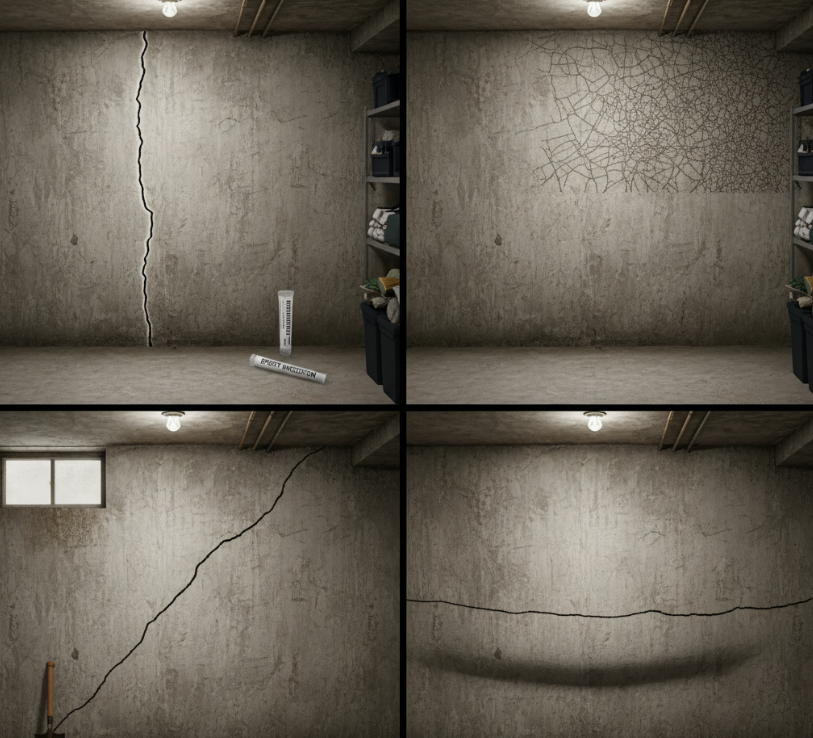
Before diving into repair options, it’s important to understand what causes basement cracks. Cracks come in several forms, including vertical, horizontal, diagonal, and stair-step cracks. Each type can point to different underlying issues.
- Vertical cracks often result from natural shrinkage during the curing of concrete.
- Horizontal cracks tend to be more serious, signalling soil pressure against the foundation wall.
- Diagonal or stair-step cracks may indicate settlement or shifting of the foundation.
Common causes of basement cracks include soil movement, water pressure buildup, poor construction, and the natural aging process of your home. For instance, expanding clay soils can exert lateral pressure that forces walls inward, creating cracks over time.
Understanding the cause helps determine whether a quick patch is enough or if a professional structural fix is necessary.
Why Basement Crack Repair is Crucial
Ignoring basement cracks can lead to a host of problems:
- Water Intrusion: Even small cracks can let water seep in, leading to dampness, mold, and mildew.
- Structural Damage: Over time, untreated cracks may grow and compromise the foundation’s integrity.
- Decreased Property Value: A cracked foundation can scare off potential buyers or lower your home’s market price.
- Health Risks: Mold and mildew resulting from moisture can trigger allergies and respiratory issues.
Thus, basement crack repair isn’t just about aesthetics—it’s essential to safeguard your home’s safety, comfort, and value.
DIY Basement Crack Repair: What You Need to Know
Many homeowners consider DIY repair to save money and gain a sense of accomplishment. Before you pick up that patch kit, here are some things to consider:
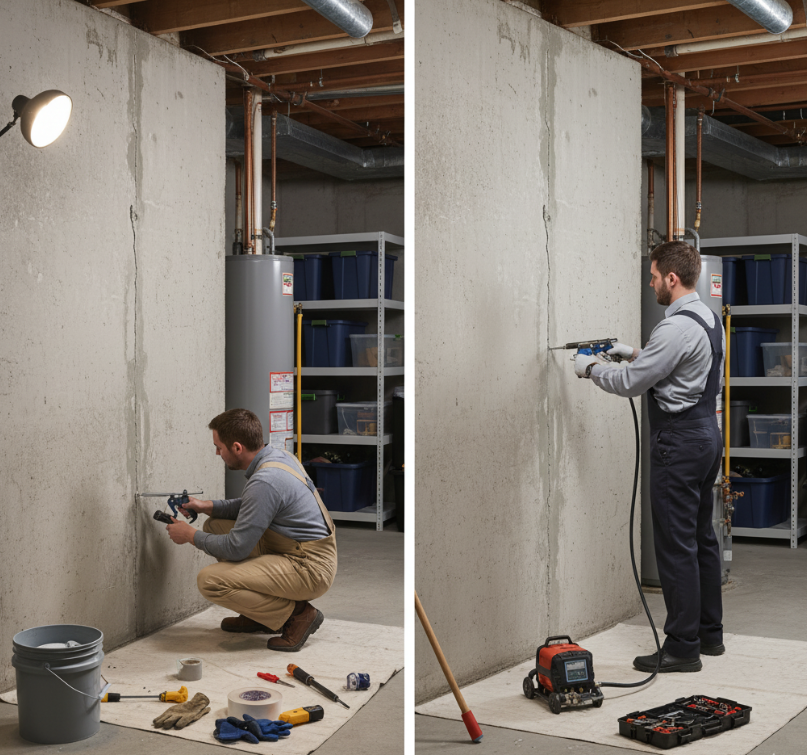
- Tools and Materials: Common materials include epoxy injections, hydraulic cement, polyurethane foam, and crack sealants. You’ll need tools like putty knives, wire brushes, and possibly injection guns.
- Skill Level: Some cracks can be repaired easily, but complicated cracks or those caused by structural issues may require expertise.
- Safety: Working in basements can pose hazards like poor ventilation, mould exposure, and confined spaces.
If you’re confident in your skills and the crack is minor, DIY repair can be a practical choice. Otherwise, it’s worth consulting a pro.
Common DIY Techniques for Basement Crack Repair
- Epoxy Injection: A popular method that fills cracks with epoxy resin to restore structural strength.
- Hydraulic Cement: This quick-setting cement expands as it cures, sealing leaks and cracks effectively.
- Crack Sealing: Using polyurethane or other sealants to waterproof the crack and prevent moisture entry.
- Waterproof Coatings: Applying sealants or paints on walls to block water penetration.
Pros of DIY Basement Crack Repair
- Cost Savings: DIY kits and materials are often much cheaper than hiring professionals.
- Convenience: You can repair at your own pace without waiting for appointments.
- Learning Experience: Gaining hands-on skills may empower you for future home maintenance.
Cons of DIY Basement Crack Repair
- Risk of Improper Repair: Mistakes can worsen the problem or cause hidden damage.
- Limited Scope: DIY often only addresses visible cracks, not underlying causes.
- Time-Consuming: Learning and executing repairs can be more time-consuming than expected.
Professional Basement Crack Repair: What to Expect
If the crack is large, worsening, or linked to structural issues, professional repair is often the safer bet. Here’s what you can expect from a pro service:
- Comprehensive Inspection: Experts assess the foundation condition, soil, and moisture issues.
- Specialised Materials and Tools: Professionals use industrial-grade epoxy, carbon fibre strips, and wall anchors.
- Warranty and Guarantees: Many companies offer guarantees to protect your investment.
- Expertise: Licensed contractors understand structural engineering and building codes.
Common Professional Repair Methods
- Carbon Fibre Strips: Applied to walls to reinforce and stabilise cracks.
- Epoxy Injection: Similar to DIY but with higher-grade materials and techniques.
- Wall Anchors: Used to secure bowed walls and prevent further movement.
- Exterior Waterproofing: Excavating around the foundation to install drainage systems and waterproof membranes.
Pros of Professional Basement Crack Repair
- Long-lasting Results: Repairs address both symptoms and root causes.
- Peace of Mind: Licensed experts with insurance and warranties.
- Comprehensive Solutions: They can handle complicated structural issues.
Cons of Professional Basement Crack Repair
- Higher Cost: Professional services come with labour and material charges.
- Scheduling: You may need to wait for availability.
- Disruption: Work can involve excavation or messy interior repairs.
Cost Comparison: DIY vs Professional Basement Crack Repair
| Cost Aspect | DIY Basement Repair | Professional Basement Repair |
|---|---|---|
| Materials | $50 – $300 | Included in service fee |
| Labor | Free (your time) | $500 – $5,000+ depending on damage |
| Tools | $20 – $100 | Included |
| Hidden Costs | Possible if repair fails | Less likely with expert inspection |
| Long-term Savings | Moderate if done properly | Higher due to durability |
While DIY can be budget-friendly, improper repair may lead to costly future fixes. Professionals charge more upfront but typically deliver durable, guaranteed repairs.
How to Decide: DIY or Professional Repair?
Consider these factors:
- Crack Size and Type: Small vertical cracks might be DIY; large horizontal ones need pros.
- Cause of Crack: Structural problems call for experts.
- Your Skill Level: Be honest about your handyman abilities.
- Budget: Weigh upfront costs against long-term value.
When in doubt, consult a foundation specialist for an assessment.
Maintenance Tips to Prevent Future Basement Cracks
- Improve Drainage: Ensure gutters and downspouts direct water away from your foundation.
- Regular Inspection: Check for new cracks or moisture monthly.
- Control Humidity: Use dehumidifiers to reduce basement moisture.
- Landscaping: Avoid planting trees too close to your foundation.
Proactive maintenance helps extend your foundation’s life and reduces repair frequency.
Frequently Asked Questions (FAQs)
Can I fix basement cracks myself?
How long does basement crack repair last?
Will basement crack repair stop water leaks?
How much does professional basement crack repair cost?
What tools are needed for DIY crack repair?
Can basement cracks cause health problems?
Conclusion and Final Recommendations
Choosing between DIY or professional basement crack repair depends on crack severity, the cause, your skills, and your budget. DIY can be effective for small, straightforward cracks and offers cost savings. However, professional repairs provide peace of mind, durability, and address deeper structural concerns.
If your basement cracks are growing, leaking, or showing signs of structural damage, it’s best to call a licensed foundation expert for evaluation. Investing in professional repair today can save thousands in future damage.


