Basement leaks can turn from minor annoyances into costly disasters if not addressed promptly. Moisture intrusion not only damages your foundation but also invites mould growth and structural issues. Fortunately, the market is filled with a variety of basement leak repair products designed to seal cracks, waterproof surfaces, and keep your basement dry. This guide reviews the most effective basement leak repair products and provides you with expert advice on choosing the right solution for your home.
How to Identify Basement Leaks Early
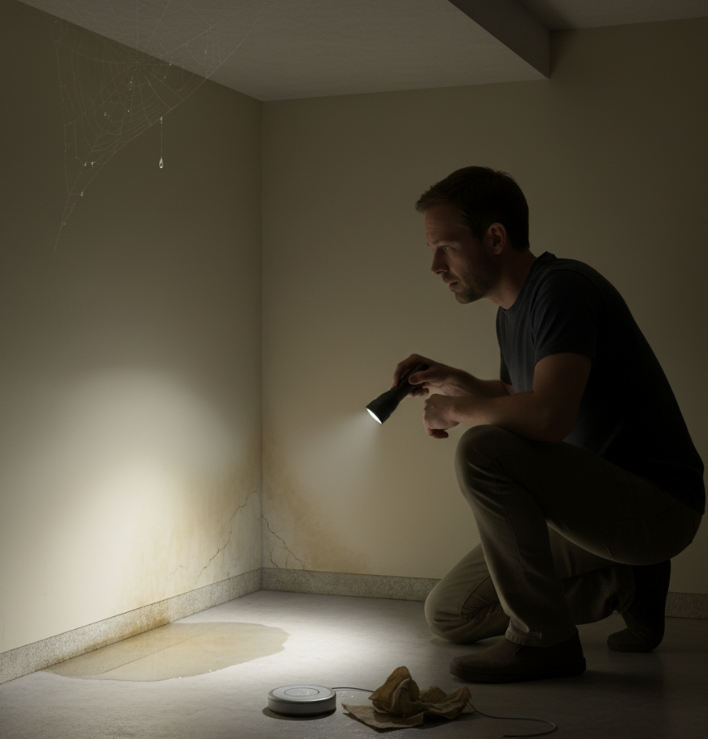
Recognising basement leaks early is crucial to preventing severe damage. Here are some common signs you shouldn’t ignore:
- Damp or musty smells
- Visible water stains on walls or floors
- Peeling paint or wallpaper
- Cracked or warped walls
- Presence of mould or mildew
- Puddles or wet spots after rainfall
Common Causes of Basement Leaks
Understanding what causes leaks can help you select the right repair product:
- Water seepage through foundation cracks caused by soil pressure or aging
- Poor drainage around the home allows water to pool near the foundation
- Hydrostatic pressure pushes water through porous concrete
- Leaking pipes or plumbing issues
- Faulty or missing waterproofing membranes
Key Features to Look for in Basement Leak Repair Products
Choosing an effective basement leak repair product means knowing what features matter:
Waterproofing Capabilities
The product must block water penetration reliably, creating a strong barrier against moisture.
Ease of Application
Look for products with clear instructions and that don’t require specialised skills or tools.
Longevity and Durability
A quick fix might be tempting, but you want a solution that lasts for years, not months.
Top 10 Basement Leak Repair Products Reviewed
Here’s an in-depth look at the best basement leak repair products currently available:
Product 1: Hydraulic Cement Mix
Hydraulic cement is a go-to for sealing active leaks in concrete walls. It sets quickly and expands as it cures, filling cracks effectively.
- Pros: Fast setting, durable, blocks active leaks
- Cons: Can be messy to apply, needs quick handling
Product 2: Waterproofing Sealant Spray
This spray is perfect for coating surfaces to create a water-resistant layer. It’s ideal for DIYers tackling minor seepage.
- Pros: Easy to apply, quick drying
- Cons: Not suitable for large cracks
Product 3: Epoxy Injection Kits
Epoxy kits fill and bond cracks in concrete, restoring structural integrity while stopping leaks.
- Pros: Strong bond, long-lasting
- Cons: More complex application process
Product 4: Polyurethane Foam Sealants
Polyurethane foam expands to fill gaps and cracks, providing a flexible waterproof seal.
- Pros: Expands to fill spaces, good adhesion
- Cons: Can degrade in UV light if exposed
Product 5: Basement Waterproofing Paint
These paints form a waterproof barrier on basement walls and floors to prevent moisture seepage.
- Pros: Easy application, affordable
- Cons: Requires multiple coats for effectiveness
Product 6: Concrete Patch Compound
Used to repair larger cracks or damaged sections before applying sealants or waterproof paint.
- Pros: Good for patching, strong adhesion
- Cons: May require sanding or smoothing
Product 7: LeakStop Liquid Sealant
A liquid that penetrates porous concrete, sealing leaks from the inside out.
- Pros: Penetrates deeply, permanent solution
- Cons: Takes longer to cure fully
Product 8: Silicone Caulking
Great for sealing small cracks and joints where water tends to enter.
- Pros: Flexible, waterproof
- Cons: Not ideal for structural repairs
Product 9: Foundation Crack Repair Kits
Complete kits often include epoxy or polyurethane components, tools, and instructions for fixing foundation cracks.
- Pros: All-in-one solution, professional-grade
- Cons: More expensive than single products
Product 10: Drainage System Solutions
Installing drainage solutions such as French drains or sump pumps can help reduce water pressure on basement walls.
- Pros: Addresses root cause, highly effective
- Cons: Requires professional installation, higher cost
Step-by-Step Guide: How to Apply Basement Leak Repair Products
- Clean the area — Remove dirt, paint, or debris from cracks or surfaces.
- Prepare the product — Follow manufacturer instructions carefully.
- Apply the product — Use appropriate tools (brush, trowel, injection gun).
- Allow curing time — Let the product set fully before exposing to moisture.
- Inspect the repair — Check for any leaks or weak spots, reapply if necessary.
Preventive Measures to Avoid Future Basement Leaks
- Maintain gutters and downspouts to ensure proper water flow away from the foundation.
- Grade soil to slope away from the house.
- Install sump pumps and drainage systems if necessary.
- Seal cracks promptly at the first sign of wear.
- Regularly inspect basement walls and plumbing.
Cost Comparison of Basement Leak Repair Solutions
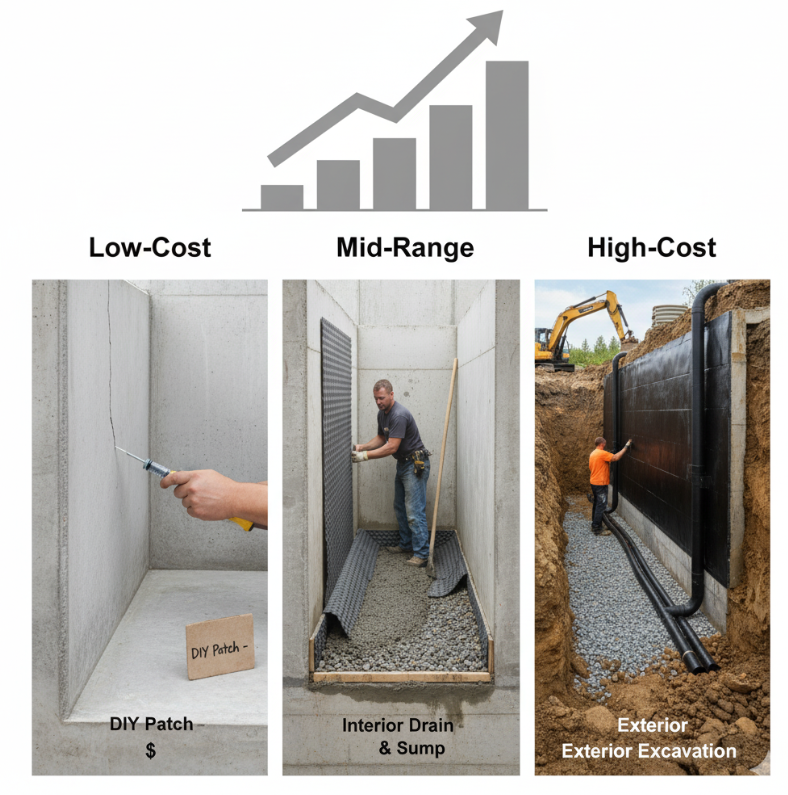
| Product Type | Average Cost | Application Complexity | Durability |
|---|---|---|---|
| Hydraulic Cement Mix | $20 – $40 per bag | Moderate | High |
| Waterproofing Sealant Spray | $15 – $30 per can | Easy | Medium |
| Epoxy Injection Kits | $100 – $250 | Difficult | Very High |
| Polyurethane Foam Sealants | $20 – $50 per can | Moderate | High |
| Basement Waterproofing Paint | $25 – $50 per gallon | Easy | Medium |
| Concrete Patch Compound | $15 – $30 per bag | Moderate | High |
| LeakStop Liquid Sealant | $50 – $100 | Moderate | Very High |
| Silicone Caulking | $5 – $15 per tube | Easy | Medium |
| Foundation Crack Repair Kits | $150 – $300 | Difficult | Very High |
| Drainage System Solutions | $1,000+ | Professional | Very High |
Frequently Asked Questions (FAQs)
1. How long do basement leak repairs last?
2. Can I repair basement leaks myself?
3. What causes cracks that lead to leaks?
4. Is waterproofing paint effective for all leaks?
5. How do I prevent basement leaks in the first place?
6. Are drainage systems worth the investment?
Conclusion: Choosing the Best Basement Leak Repair Product for Your Needs
Selecting the right basement leak repair product depends on the severity of your leak, your budget, and your DIY comfort level. For quick fixes, hydraulic cement and sealants offer immediate relief, while epoxy injection kits and drainage systems provide long-term solutions. Remember, preventing leaks before they start is always the best strategy. Investing in quality products and maintenance protects your home’s foundation and ensures a dry, healthy basement environment for years to come.