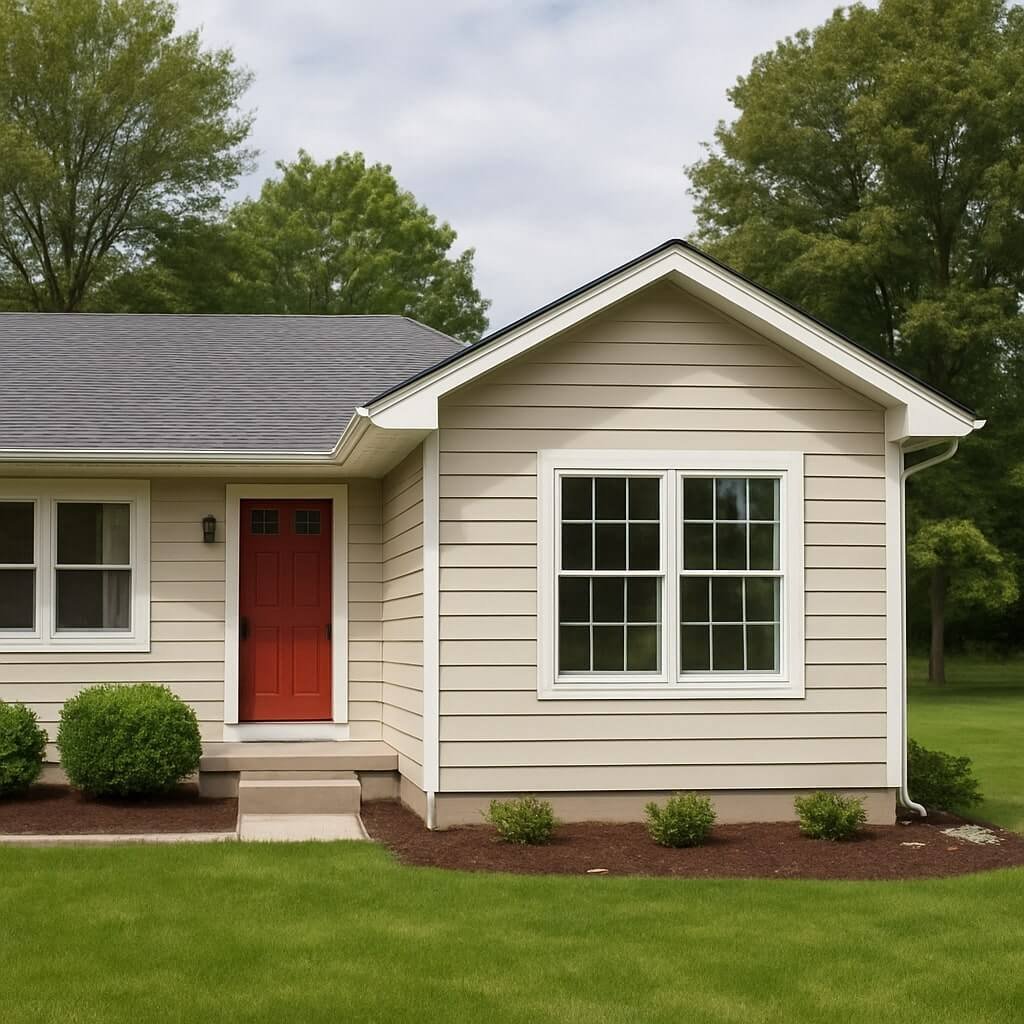
When planning a second-story addition to your ranch home, it’s essential to understand the various cost factors that will impact your budget. Structural integrity assessments often require reinforcement of load-bearing elements, while design fees can add a significant percentage to your overall expenses. Additionally, unexpected costs may arise from zoning regulations or necessary upgrades to electrical and plumbing systems. Knowing these factors will help you make informed decisions as you navigate this complex process.
Key Takeaways
- Assessing structural integrity is crucial to determine reinforcement needs for load-bearing beams and foundation support in second story additions.
- Design and architectural fees typically range from 10% to 20% of the total project cost, impacting overall budgeting.
- Local zoning regulations and permitting costs must be researched early to avoid delays and additional expenses during the project.
- Labor rates and contractor experience significantly influence overall costs, necessitating thorough research to balance quality and budget.
- Allocating a contingency budget of 10-20% is essential to cover unexpected expenses, such as structural issues or material price increases.
Structural Integrity and Reinforcement Costs
When you’re considering a second story addition, one of the most critical factors is guaranteeing the structural integrity of your home.
You’ll need a thorough foundation assessment to determine if your existing structure can support the additional weight. This involves evaluating load bearing beams, which are essential for distributing the new load evenly.
If your current beams aren’t adequate, you’ll face reinforcement costs that can greatly impact your budget. Properly addressing these structural components not only guarantees safety but also enhances the longevity of your home, making it a worthwhile investment in the long run.
Design and Architectural Fees
Design and architectural fees can greatly influence your overall budget for a second story addition, often accounting for 10% to 20% of the total project cost.
You’ll want to invest in professionals who understand current design trends and can blend them with your desired architectural styles. A well-defined vision not only streamlines the design process but also helps avoid costly revisions later.
When selecting an architect or designer, consider their expertise in maximizing space and enhancing aesthetics.
Ultimately, these fees are a significant investment in ensuring your addition is both functional and visually appealing, aligning with your home’s existing character.
Permitting and Zoning Regulations
Understanding permitting and zoning regulations is essential for the success of your second story addition.
Zoning laws dictate how high you can build and your property’s footprint, ensuring your design aligns with neighborhood standards. You’ll need to research local ordinances to avoid costly delays or modifications.
Each jurisdiction has its own permit fees, which can add up depending on the complexity of your project. It’s vital to factor these costs into your budget early on.
Roofing and Exterior Modifications
When planning your second story addition, consider the roofing material choices carefully, as they greatly impact both cost and aesthetics.
You’ll also need to verify that the exterior design is compatible with your home’s existing style to maintain architectural integrity.
Finally, don’t overlook the potential need for structural reinforcement to support the additional weight, which can affect your overall budget.
Roofing Material Choices
Choosing the right roofing material for your second story addition can greatly impact both aesthetics and functionality. You’ll want to take into account durability, maintenance, and cost-effectiveness.
Metal roofing options, for example, offer longevity and resistance to severe weather, making them a smart choice for many homeowners. They also come in various styles and colors to enhance your home’s look.
On the other hand, asphalt shingles are widely popular due to their affordability and ease of installation. They provide decent insulation and can mimic the appearance of more expensive materials.
Evaluate these options carefully to guarantee a successful addition that meets your needs.
Exterior Design Compatibility
Achieving exterior design compatibility for your second story addition is essential for maintaining your home’s overall aesthetic and value.
To guarantee aesthetic coherence, consider your existing design style when selecting roofing materials and exterior modifications. Match the roof pitch and materials to your ranch home’s architecture, whether it’s traditional or modern.
Use complementary colors and textures for siding and trim to create a seamless look. Pay attention to window placement and size, aligning them with the original design to enhance visual harmony.
Thoughtful choices in these areas won’t only improve appearance but also increase your property’s market appeal.
Structural Reinforcement Needs
While planning your second story addition, addressing structural reinforcement needs is vital to guarantee the existing framework can support the new load. A detailed foundation assessment is important, as it confirms your home’s base can handle the additional weight. You’ll also need to evaluate load bearing walls to determine if they require reinforcement. Engaging with a structural engineer will provide clarity on necessary modifications.
| Structural Element | Recommended Action |
|---|---|
| Foundation | Conduct a thorough assessment |
| Load Bearing Walls | Reinforce or replace as needed |
| Roof Structure | Enhance support beams |
| Exterior Modifications | Confirm compatibility |
Electrical and Plumbing Upgrades
When adding a second story, evaluating your home’s wiring capacity is essential to guarantee it can handle the increased electrical load.
You’ll also need to take into account expanding your plumbing system to accommodate additional bathrooms or fixtures.
These upgrades can greatly influence your budget and should be planned carefully.
Wiring Capacity Assessment
Before you begin a second story addition, it’s crucial to evaluate your home’s wiring capacity and plumbing systems to confirm they can support the increased demand. Conducting a wiring assessment guarantees electrical safety and identifies necessary wiring upgrades. Here’s a quick guide to help you assess your current system:
| Aspect | Current Capacity | Required Capacity |
|---|---|---|
| Main Panel Amperage | 100A | 200A |
| Circuit Breakers | 10 | 15 |
| Outlets | 5 | 10 |
| Lighting Fixtures | 5 | 12 |
| Dedicated Circuits | 1 | 3 |
Make informed decisions for your addition.
Plumbing System Expansion
As you plan your second story addition, evaluating your plumbing system is essential to guarantee it can handle the increased water demand.
You’ll need to assess your existing plumbing layout to determine if the current pipes can support additional fixtures. Upgrading to larger pipes may be necessary for peak water pressure, ensuring that all levels of your home receive adequate supply.
Additionally, consider the placement of new bathrooms or kitchens, as they’ll affect your overall plumbing efficiency. Consulting with a professional plumber can provide insights into potential modifications, helping you avoid costly issues down the line while enhancing your home’s functionality.
Insulation and Energy Efficiency Considerations
Although many homeowners focus on the aesthetics of a second story addition, neglecting insulation and energy efficiency can lead to significant long-term costs.
Proper insulation materials, like spray foam or fiberglass, are essential for maintaining comfortable temperatures and reducing energy bills.
Before construction, consider conducting energy audits to identify existing weaknesses in your home’s thermal envelope.
These audits help you pinpoint areas needing improvement, ensuring your new space doesn’t become a costly energy drain.
Interior Finishing and Flooring Choices
Once you’ve addressed insulation and energy efficiency, it’s time to focus on interior finishing and flooring choices that can greatly impact both aesthetics and functionality.
Selecting flooring options like hardwood, laminate, or carpet can alter the overall vibe of your newly added space. Hardwood offers durability and elegance, while laminate provides a cost-effective alternative with various designs.
Consider how your choices affect interior aesthetics—light-colored floors can make a room feel larger, whereas darker tones add warmth.
Don’t forget to factor in maintenance and longevity, ensuring your flooring complements your lifestyle while enhancing the appeal of your second-story addition.
Labor Costs and Contractor Fees
When planning your second story addition, understanding labor costs and contractor fees is essential.
Rates can vary considerably based on factors like contractor experience and the complexity of project management.
You’re likely to find that higher-quality contractors may charge more, but their expertise can lead to a smoother and more efficient process.
Labor Rate Variability
Understanding labor rate variability is fundamental for accurately estimating the costs associated with a second story addition. Labor market fluctuations can markedly impact your overall budget, as rates can change based on demand and availability of skilled workers.
Additionally, regional wage differences play an essential role; what you pay in one area might be substantially higher or lower in another. Consequently, it’s important to research local labor costs thoroughly.
Contractor Experience Impact
Labor rate variability isn’t the only factor influencing the overall cost of your second story addition; contractor experience greatly impacts both labor costs and contractor fees.
When considering contractor selection, you’ll find that more experienced professionals typically charge higher rates due to their expertise and efficiency. They’re often better equipped to anticipate challenges and minimize costly errors, ultimately saving you money in the long run.
Conversely, choosing a less experienced contractor might lower initial fees, but it could lead to delays and unforeseen expenses.
Balancing experience levels with your budget is essential for a successful addition project.
Project Management Costs
While effective project management is essential for the success of your second story addition, the associated costs can greatly influence your overall budget. Labor costs and contractor fees often comprise a significant portion of your expenses.
A well-structured project timeline guarantees tasks are completed efficiently, minimizing delays that can inflate costs. Additionally, proper resource allocation helps avoid overstaffing or underutilizing skilled workers, which can impact both quality and budget.
Ultimately, investing in experienced project management can lead to more predictable expenditures and a smoother renovation process, making it a worthwhile consideration for your second story addition.
Landscaping and Outdoor Impact
As you consider a second story addition, it’s essential to evaluate how this project will impact your landscaping and outdoor spaces. Changes to your home’s height can alter views, sunlight patterns, and overall outdoor aesthetics. Effective landscape design will help mitigate any negative effects while enhancing your property’s appeal.
| Impact Area | Potential Change | Recommended Action |
|---|---|---|
| Sunlight Exposure | Reduced in yard | Add shade-tolerant plants |
| Privacy | Decreased from street | Install privacy screens |
| Visual Balance | Height imbalance | Use tiered landscaping |
| Access | Difficulties for workers | Plan pathways accordingly |
Contingency Budget for Unexpected Expenses
When planning a second story addition, it’s crucial to set aside a contingency budget for unexpected expenses that may arise during construction.
Even with thorough budget planning, unforeseen costs can emerge, such as structural issues, permitting delays, or material price increases.
Experts recommend allocating 10-20% of your total budget for these surprises. This buffer not only eases financial strain but also keeps your project on track.
By anticipating unexpected costs, you safeguard your investment and guarantee that your dream addition doesn’t become a financial burden.
Conclusion
In summary, adding a second story to your ranch home involves careful consideration of various cost factors. From structural assessments and design fees to necessary upgrades and labor costs, each element can greatly impact your budget. By understanding these key expenses and setting aside a contingency fund for the unexpected, you can guarantee a smoother renovation process and achieve your vision without financial surprises. Planning thoroughly now will help you enjoy your newly expanded space for years to come.