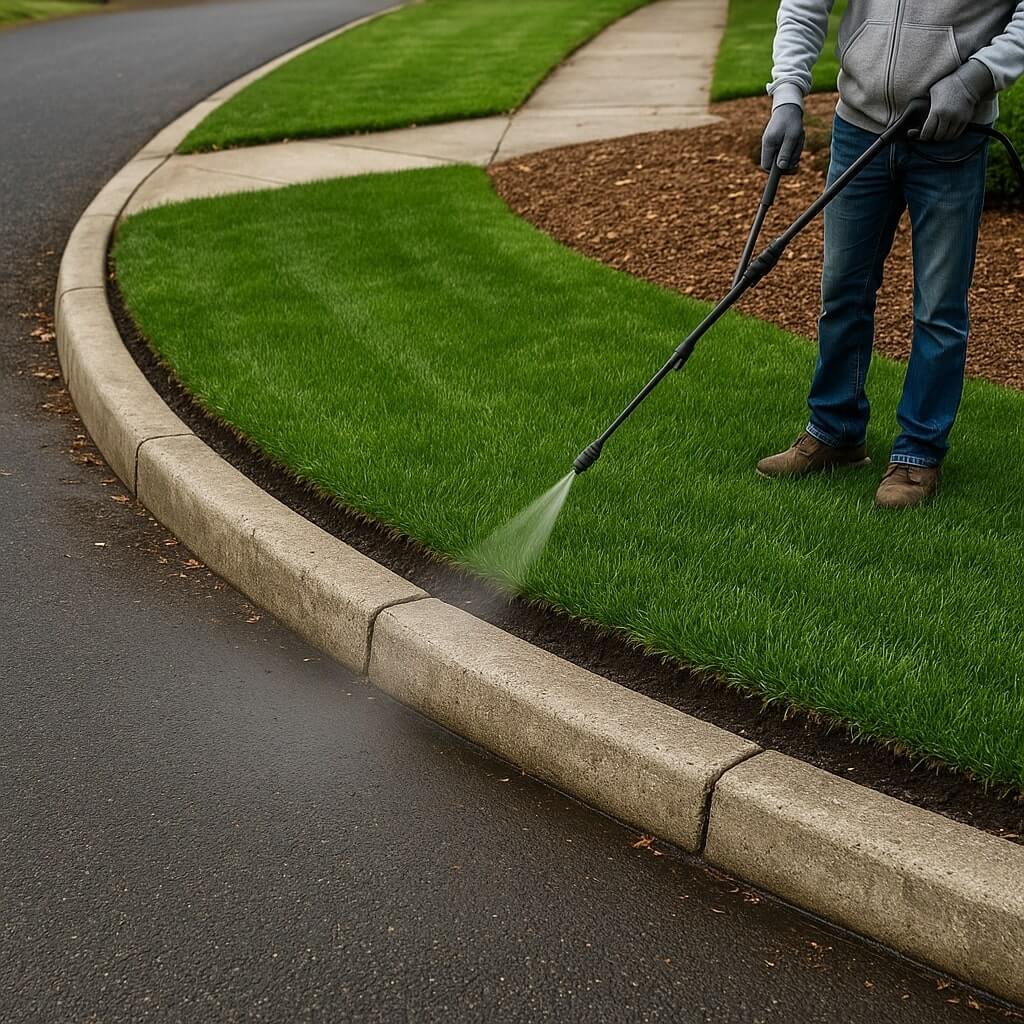
Curb grinding tools play a crucial role in levelling uneven sidewalks, eliminating trip hazards, and ensuring ADA compliance in public walkways. Whether you are a construction professional or a DIY enthusiast looking to improve curb safety, mastering the proper use of curb grinding tools can significantly enhance both efficiency and results. In this detailed guide, we will cover how to use curb grinding tools effectively, safely, and professionally, complete with expert tips and frequently asked questions (FAQs).
What Are Curb Grinding Tools?
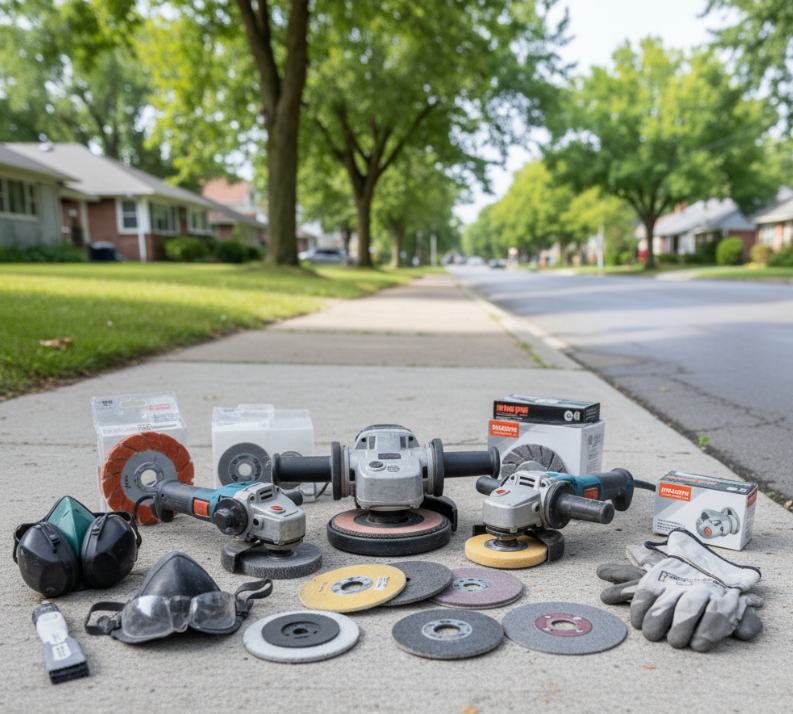
Curb grinding tools are specialised machines used to grind down raised concrete edges, typically between sidewalks and curbs. These tools range from handheld grinders with diamond blades to heavy-duty walk-behind grinders designed for large-scale projects. The goal is to eliminate height discrepancies that could cause tripping hazards or hinder wheelchair access.
Types of Curb Grinding Tools
Understanding the available tools can help you choose the right one for your project:
1. Handheld Concrete Grinders
- Ideal for small, localised grinding.
- Lightweight and maneuverable.
- Require more time for larger jobs.
2. Walk-Behind Grinders
- Best for large-scale or commercial applications.
- Equipped with diamond grinding heads.
- Allow for faster, uniform results.
3. Scarifiers and Planers
- Use rotating drums with cutters.
- Remove more surface material than grinders.
- Often used in tandem with grinding tools for final smoothing.
Step-by-Step: How to Use Curb Grinding Tools Effectively
Step 1: Assess the Job Site
- Identify all trip hazards or elevation differences.
- Measure the height difference (usually anything over ¼ inch is considered a trip hazard).
Step 2: Choose the Right Tool
- Use a handheld grinder for less than 10 square feet of surface.
- Opt for a walk-behind grinder for larger or deeper grinds.
Step 3: Prepare the Work Area
- Block off the area using safety cones or warning tape.
- Wear PPE: safety goggles, gloves, hearing protection, and a dust mask.
- Remove any loose debris or dirt.
Step 4: Set Up the Grinder
- Install the proper grinding disc (typically a diamond or carbide-tipped blade).
- Connect dust extraction or a vacuum if available.
- Check all fasteners and safety guards.
Step 5: Start Grinding
- Begin at the highest point of the raised surface.
- Use a sweeping motion to gradually lower the curb.
- Avoid pressing too hard; let the machine do the work.
- Make multiple passes for a smooth, even finish.
Step 6: Clean Up
- Use a blower or broom to remove dust and residue.
- Inspect the work and re-grind if needed.
- Remove safety equipment and reopen the area once the surface is clear.
Best Practices for Efficiency and Longevity
- Use Wet Grinding When Possible: Reduces dust and cools the blade, extending its life.
- Sharpen or Replace Blades Regularly: Dull blades can overheat and damage the concrete.
- Grind in Layers: Avoid removing too much material at once.
- Practice Control: Sudden movements can gouge the surface or cause unevenness.
- Inspect Tools After Each Use: Preventive maintenance avoids costly repairs.
Safety Considerations
- Never operate grinding tools without protective gear.
- Be mindful of bystanders and traffic in public spaces.
- Avoid grinding during rain or in wet conditions unless the tool is rated for wet use.
- Always follow the manufacturer’s safety and operation guidelines.
FAQs: Using Curb Grinding Tools Effectively
Can I use a curb grinder for residential sidewalks?
What type of grinding disc should I use?
How deep can I grind a curb safely?
Is it necessary to use a dust control system?
How often should grinding tools be maintained?
Conclusion
Using curb grinding tools effectively requires a combination of the right equipment, proper technique, and safety awareness. Whether you’re levelling uneven sidewalks or preparing for a construction project, following best practices ensures quality results and long-lasting equipment. Investing time in learning how to use these tools not only improves work quality but also enhances safety for all sidewalk users.
For continued success, always stay informed on new techniques, tool innovations, and safety standards in curb grinding and concrete maintenance.