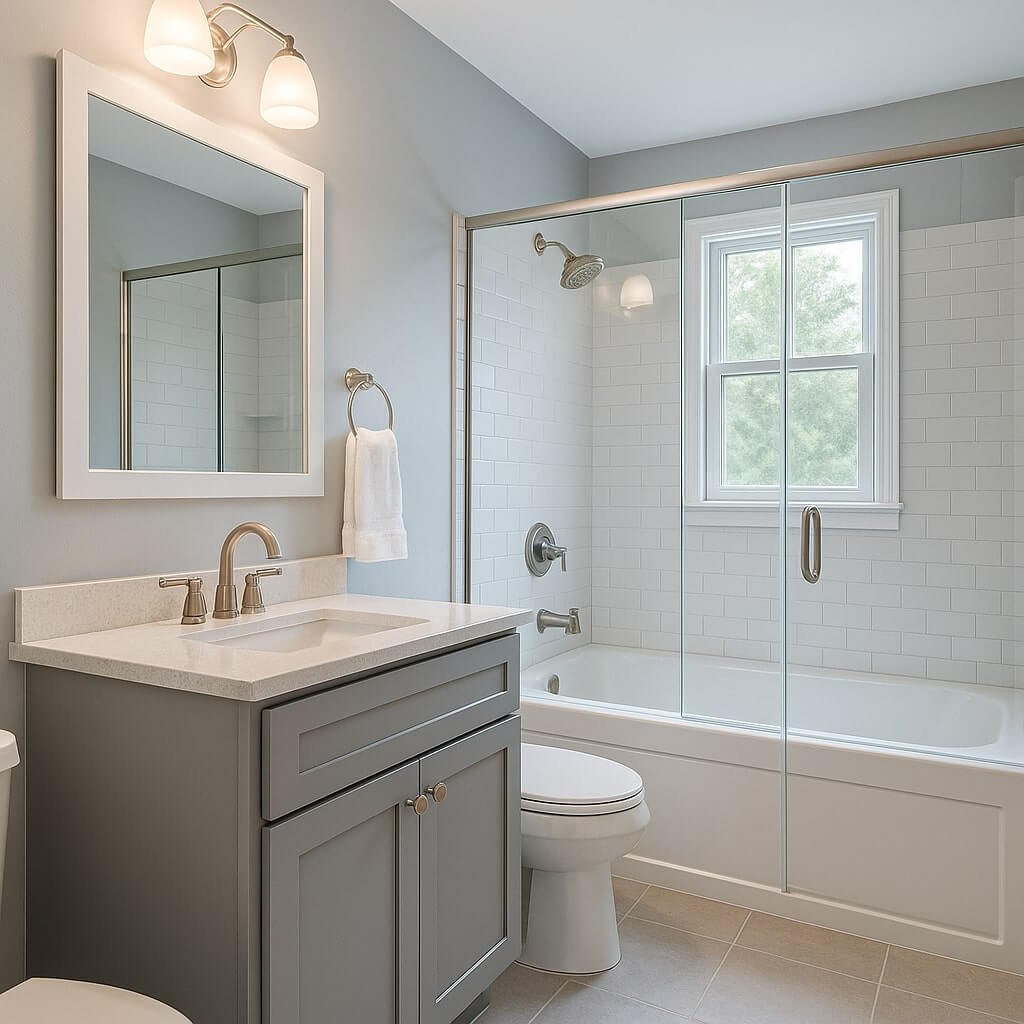
Bathroom lighting plays a crucial role not only in functionality and safety but also in energy consumption. Traditional lighting setups can significantly impact your electricity bills and carbon footprint. This comprehensive guide delves into energy-efficient bathroom lighting solutions that offer long-term savings, aesthetic appeal, and sustainability — all without sacrificing quality or brightness.
Why Energy-Efficient Lighting in Bathrooms Matters
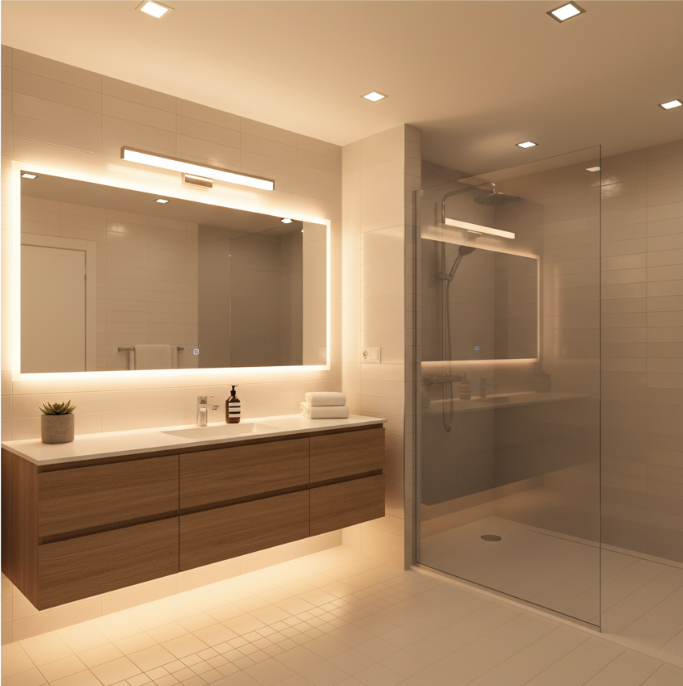
Bathrooms are among the most frequently used spaces in a home, and the lighting here must cater to both general and task-specific purposes like shaving, makeup, and hygiene. Transitioning to energy-efficient lighting offers multiple benefits:
- Lower utility bills
- Reduced environmental impact
- Improved lighting quality
- Longer bulb lifespan
- Enhanced resale value of your property
Top Energy-Efficient Bathroom Lighting Options
1. LED Light Fixtures
LEDs (Light Emitting Diodes) are the gold standard for energy efficiency. They consume up to 80% less energy than incandescent bulbs and last up to 25 times longer.
- Ideal for: Overhead lights, vanity mirrors, and recessed lighting
- Features to look for: Dimmable options, colour temperature customisation, waterproof designs
2. Motion Sensor Lights
These lights turn on only when movement is detected and automatically shut off after a set period. They prevent energy waste, especially in guest bathrooms or those used sporadically.
- Ideal for: Powder rooms, kids’ bathrooms, or utility bathrooms
- Bonus: Some models also include ambient light sensors
3. Solar Tubes or Skylights
Solar tubes are a passive lighting solution that channels daylight into your bathroom. While they require initial installation effort, they offer zero operating cost.
- Ideal for: Daytime lighting in windowless bathrooms
- Energy impact: Reduce daytime dependency on electric lighting
4. Smart Lighting Systems
Smart bathroom lighting can be controlled via smartphone or voice assistants. You can schedule lights to turn off or dim when not needed, drastically reducing energy consumption.
- Ideal for: High-tech or eco-conscious households
- Compatibility: Works well with LED systems for maximum efficiency
Placement Strategies for Optimal Efficiency
Proper placement can enhance both the functionality and energy efficiency of your lighting:
- Task Lighting: Install around mirrors to avoid shadows on the face.
- Ambient Lighting: Use ceiling-mounted fixtures with high-efficiency bulbs.
- Accent Lighting: Highlight architectural features or art pieces with minimal-wattage LEDs.
- Under-Cabinet Lighting: Efficiently illuminate countertops with low-profile LED strips.
Best Practices for Energy-Saving Bathroom Lighting
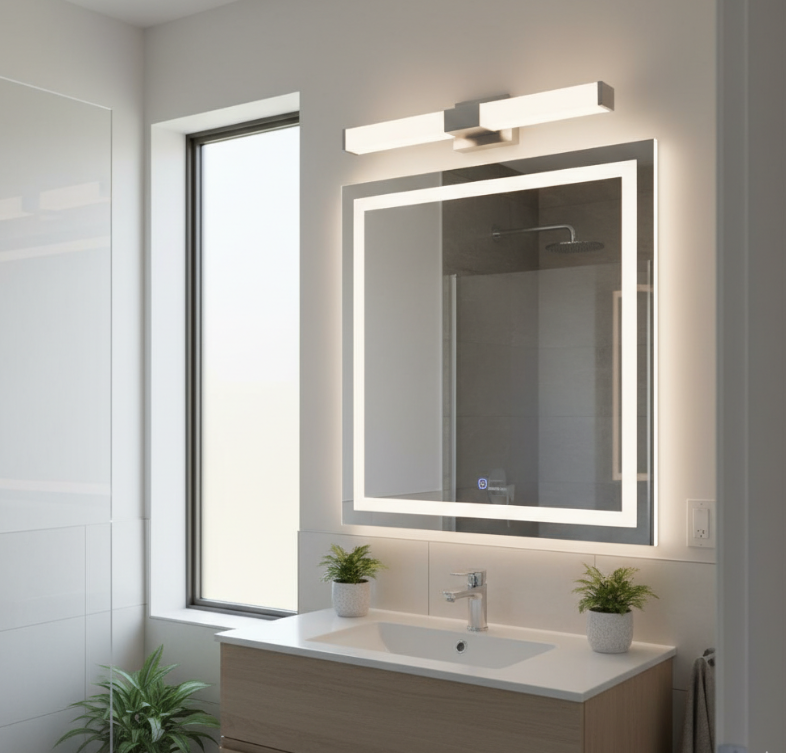
- Use Lighting Zones: Divide your bathroom into zones and light only those that are in use.
- Install Dimmers: Adjust light intensity to your needs, reducing energy use and increasing bulb life.
- Opt for Warm LEDs (2700K–3000K): They provide a cozy ambience with reduced glare.
- Regularly Clean Fixtures: Dust and grime reduce light output, leading to the use of higher settings.
Common Mistakes to Avoid
- Over-lighting the space: Too many high-wattage fixtures can defeat the purpose of energy efficiency.
- Ignoring the CRI (Colour Rendering Index): Low-CRI bulbs may distort colours, particularly important for makeup tasks.
- Poor ventilation compatibility: Not all energy-efficient fixtures are designed to handle high-humidity environments.
FAQs About Energy-Efficient Bathroom Lighting
What is the most energy-efficient bulb for bathrooms?
Can I use motion sensor lights in a bathroom with no natural light?
Are smart lights worth it for a small bathroom?
Do solar tubes require electrical wiring?
How can I ensure lighting safety in wet bathroom zones?
Final Thoughts
Energy-efficient bathroom lighting is a wise investment that combines functionality, aesthetics, and sustainability. By choosing the right fixtures, placements, and controls, you can significantly lower your energy usage and carbon footprint while enhancing your daily routine.