Basement mold is a common but often overlooked problem in many homes. It thrives in damp, dark, and poorly ventilated areas, making basements the perfect environment for mold growth. Mold consists of tiny fungi spores that float through the air, settling on surfaces and reproducing when moisture is present. While some molds are harmless, others can pose significant health risks, especially with prolonged exposure.
Basement mold often goes unnoticed because these areas are less frequently used or inspected. However, its presence can compromise indoor air quality and negatively affect the health of those living in the house. Recognising the signs of mold and understanding its causes is the first step to ensuring a safe home.
Common Causes of Basement Mold Growth
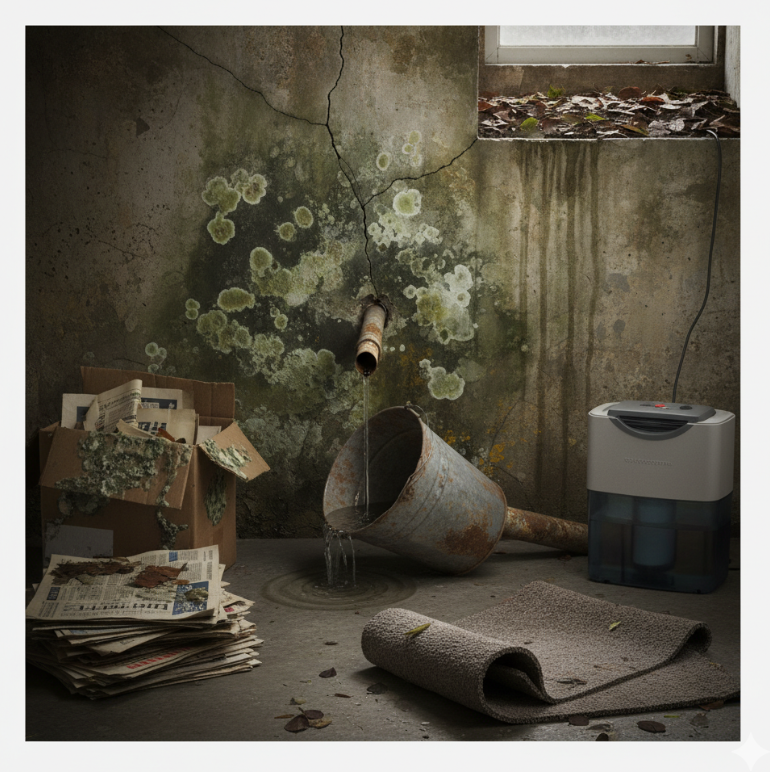
Mold growth in basements can be triggered by several factors, usually revolving around moisture. Here are the primary causes:
Moisture and Humidity
Basements naturally tend to be more humid than other parts of the home due to their underground location. High humidity levels (above 60%) create an ideal breeding ground for mold. When humidity is left unchecked, condensation forms on walls and floors, providing moisture mold needs to thrive.
Poor Ventilation
Poor air circulation in basements can trap moisture and stale air. Without proper ventilation, dampness accumulates, increasing mold growth. Proper ventilation helps regulate humidity and dries out wet surfaces, limiting mould’s ability to flourish.
Water Leaks and Flooding
Water intrusion from cracks in foundation walls, leaking pipes, or past flooding is one of the most direct causes of basement mold. Even small leaks can saturate materials like wood, drywall, and carpeting, fostering mold colonies.
Types of Mold Commonly Found in Basements
Basements can host various types of mold, some more dangerous than others.
Stachybotrys Chartarum (Black Mold)
Black mold is infamous for its toxic properties. It produces mycotoxins, which can cause severe respiratory issues and other health problems. This mold thrives on materials rich in cellulose like drywall and wood, that remain damp for extended periods.
Aspergillus and Penicillium
These molds are more common and less toxic but still cause allergic reactions and respiratory problems. Aspergillus can lead to infections, especially in people with weakened immune systems, while Penicillium often produces a musty smell that alerts homeowners to its presence.
How Basement Mold Affects Indoor Air Quality
Basement mold spores release into the air and spread throughout the home, reducing indoor air quality significantly. Poor air quality can aggravate asthma, cause sinus infections, and trigger allergic reactions. Continuous inhalation of mold spores is a hidden danger that can escalate into chronic health conditions if ignored.
Health Risks Associated with Basement Mold Exposure
Exposure to basement mold is linked with numerous health concerns:
Respiratory Issues
Breathing in mold spores can cause symptoms such as coughing, wheezing, nasal congestion, and throat irritation. Prolonged exposure may worsen asthma or lead to chronic bronchitis.
Allergic Reactions
Many people develop allergic reactions including sneezing, itchy eyes, skin rashes, and headaches when exposed to mold. Mold allergies can be persistent and affect quality of life.
Toxic Effects and Mycotoxins
Certain molds like Stachybotrys produce mycotoxins, which have been associated with neurological problems, fatigue, and in rare cases, severe lung conditions. These toxins are particularly dangerous for children, the elderly, and those with compromised immune systems.
Vulnerable Populations
People with asthma, allergies, compromised immunity, or chronic lung diseases are more susceptible to the adverse effects of mold exposure. Infants and elderly individuals also face higher risks.
Symptoms of Mold Exposure
Recognizing mold exposure symptoms is critical for timely intervention. Common symptoms include:
- Persistent cough or wheezing
- Nasal and sinus congestion
- Eye irritation or redness
- Skin rashes or itching
- Headaches and fatigue
- Difficulty breathing or shortness of breath
If these symptoms worsen when in the basement or home and improve when away, mold could be the culprit.
Diagnosing Mold-Related Health Problems
Identifying whether health issues stem from mold exposure can be tricky. Medical professionals often rely on patient history, symptoms, and environmental assessments. Here’s how diagnosis typically unfolds:
- Medical History Review: Doctors ask about symptoms, their duration, and whether they worsen at home or in specific environments.
- Physical Examination: A thorough check for respiratory issues, skin conditions, or allergic reactions.
- Allergy Testing: Skin or blood tests can identify mold allergies.
- Environmental Testing: Professionals may test home air or surfaces to confirm mold presence.
- Referral to Specialists: In severe cases, pulmonologists or allergists may be involved for advanced care.
Accurate diagnosis is key to effective treatment and determining necessary environmental interventions.
Preventing Basement Mold Growth
Prevention is always better than cure when it comes to basement mold. Here’s how homeowners can proactively reduce mold risks:
Controlling Moisture and Humidity
- Use dehumidifiers to maintain indoor humidity below 60%.
- Seal foundation cracks and fix leaks promptly.
- Ensure gutters and downspouts divert water away from the house.
Improving Ventilation
- Install exhaust fans or ventilation systems in the basement.
- Keep windows open when weather permits to allow fresh air circulation.
- Use air purifiers with HEPA filters to reduce airborne spores.
Regular Inspections and Maintenance
- Check for water stains or musty odors regularly.
- Inspect plumbing and sump pumps for leaks.
- Clean and dry basement areas thoroughly after any flooding or spills.
Effective Mold Remediation Techniques
When mold is detected, timely removal is crucial to prevent health risks and property damage.
DIY vs. Professional Mold Removal
Small patches (less than 10 square feet) of mold may be manageable by homeowners using protective gear and proper cleaning agents like detergent and water or commercial mold removers.
However, for larger infestations, toxic molds, or if health symptoms are present, hiring professional mold remediation services is recommended. Professionals use specialized equipment and techniques to ensure thorough and safe removal.
Safety Precautions During Mold Cleanup
- Wear gloves, goggles, and N95 masks.
- Avoid mixing cleaning chemicals that can create harmful fumes.
- Contain the affected area to prevent mold spores from spreading.
- Dispose of contaminated materials safely.
When to Seek Medical Attention for Mold Exposure
If you or your family experience persistent symptoms such as chronic coughing, difficulty breathing, severe allergic reactions, or neurological symptoms after exposure to basement mold, seek medical advice promptly. Early intervention can prevent complications and help guide appropriate treatment.
Legal and Insurance Considerations for Basement Mold Damage
Mold damage can impact home value and safety, sometimes leading to disputes with landlords, sellers, or insurers.
- Insurance Coverage: Some homeowner policies cover mold remediation if related to covered water damage; others exclude mold damage.
- Disclosure Laws: Sellers may be required to disclose known mold issues during property transactions.
- Tenant Rights: Renters should report mold issues promptly; landlords are often legally obligated to address hazards.
Consult legal professionals or insurance agents for specific guidance on basement mold-related claims.
FAQs: Frequently Asked Questions About Basement Mold Exposure
What health problems can basement mold cause?
How can I test for mold in my basement?
Is black mold more dangerous than other types?
Can mold exposure cause long-term health issues?
What are the best ways to remove mold safely?
How can I prevent mold from returning after cleanup?
Conclusion: Protecting Your Health from Basement Mold Risks
Understanding health risks linked to basement mold exposure is vital for maintaining a healthy living environment. By recognizing mold’s causes, symptoms, and preventive measures, homeowners can safeguard their families and property. Timely diagnosis, professional remediation, and ongoing maintenance make a significant difference in minimizing mold’s impact. Stay vigilant and proactive to enjoy a safe, mold-free home.